 Call Now
 Programs
  About
About 

How to Secure the Privacy of your Applicant’s and Employee’s Data

The digital revolution has transformed the way organizations manage their human resources. Recruitment is increasingly conducted online, applications are screened through AI-driven platforms, and employee records are stored in cloud-based HR systems. While this has streamlined processes, it has also raised unprecedented risks.
Applicant and employee records are a treasure trove for cybercriminals. They include personally identifiable information (PII) such as names, addresses, bank details, medical histories, and even biometric identifiers. Unlike marketing data, which may capture only preferences and demographics, HR datasets carry a complete picture of an individual’s identity. A single breach can cause financial loss, identity theft, and reputational damage not only to the employee but also to the employer.
This is why data security is no longer a narrow IT function—it is a boardroom-level priority. Organizations that succeed in protecting applicant and employee data not only meet compliance standards but also strengthen their employer brand by signalling trust, responsibility, and care.
Why Applicant and Employee Data Is Highly Vulnerable
Applicant and employee data is uniquely at risk because of how it is stored, accessed, and transmitted. Unlike customer data, which often has defined collection and retention limits, HR data tends to accumulate over years. For example, resumes collected during recruitment may remain in poorly secured folders long after the hiring process ends. The vulnerabilities include:
- Phishing and Social Engineering Attacks
- Hackers often target HR personnel with fake job applications or phishing emails designed to steal credentials. Once inside, attackers can access large amounts of sensitive data.
- Hackers often target HR personnel with fake job applications or phishing emails designed to steal credentials. Once inside, attackers can access large amounts of sensitive data.
- Unencrypted Databases
- Many organizations still rely on outdated HR management systems without encryption, exposing data to unauthorized access.
- Many organizations still rely on outdated HR management systems without encryption, exposing data to unauthorized access.
- Remote Work Practices
- With employees working from home, sensitive data often travels across unsecured networks and personal devices, widening the attack surface.
- With employees working from home, sensitive data often travels across unsecured networks and personal devices, widening the attack surface.
- Third-Party Vendor Risks
- Recruitment platforms, payroll service providers, and background verification firms often manage sensitive information. If these vendors lack strong security measures, they become the weakest link.
- Recruitment platforms, payroll service providers, and background verification firms often manage sensitive information. If these vendors lack strong security measures, they become the weakest link.
- Insider Threats
- Employees with privileged access sometimes misuse data for personal gain or leak information accidentally due to poor awareness.
The rise of hybrid work models and reliance on digital platforms has only increased these vulnerabilities, making data security both urgent and complex.
The Legal Landscape: Data Security as Compliance
The regulatory environment has grown stricter worldwide. In the European Union, the General Data Protection Regulation (GDPR) mandates that organizations obtain explicit consent before collecting and storing personal data. Heavy penalties are imposed for breaches, with fines running into millions of euros.
In India, the Digital Personal Data Protection Act (DPDPA) 2023 has created a structured framework for data handling. It requires organizations to:
- Limit data collection to what is strictly necessary
- Secure explicit consent from applicants and employees
- Report breaches promptly
- Ensure lawful use of sensitive information
For multinational organizations, compliance with multiple jurisdictions adds another layer of complexity. This makes data security not just a best practice but a legal requirement.
Best Practices for Securing Applicant and Employee Data
Building a strong data security framework for HR systems requires more than installing firewalls or antivirus software. It is about combining technology, people, and processes in a way that anticipates threats and reduces vulnerabilities. Here are some practical approaches:
1. Access Controls and Authentication
- Adopt role-based access controls (RBAC) so that payroll specialists, recruiters, and managers only see the information relevant to them.
- Use multi-factor authentication (MFA) for all HR logins, especially for remote access.
- Regularly review and revoke access when employees change roles or leave the organization.
2. Data Encryption and Secure Storage
- Encrypt sensitive files, whether they are stored on local servers or in the cloud.
- Use secure transfer protocols like SFTP or HTTPS for sending resumes and employee contracts.
3. Vendor and Third-Party Management
- Screen payroll processors, recruitment platforms, and background verification agencies for compliance with global standards such as ISO 27001 or GDPR.
- Draft clear data protection clauses in vendor agreements.
- Schedule annual security reviews with external partners to identify weak links.
- Ensure that vendors provide proof of regular penetration testing and audits.
4. Training and Awareness
- Conduct frequent awareness sessions for HR staff on phishing and social engineering.
- Share short, practical guides on password hygiene and safe use of personal devices.
- Simulate phishing emails occasionally to check if employees can identify suspicious activity.
5. Monitoring and Auditing
- Deploy monitoring tools that can flag unusual access patterns in HR systems.
- Maintain detailed logs of who accessed what data and when.
6. Incident Response Planning
- Establish a step-by-step response plan to handle suspected breaches.
- Assign a dedicated response team and define clear reporting timelines.
- Conduct tabletop exercises at least once a year to test preparedness
7. Data Minimization and Retention Policies
- Avoid hoarding applicant data beyond the recruitment cycle.
- Establish clear timelines for securely deleting outdated employee information.
Real-World Cases That Highlight the Need for Data Security
- LinkedIn Data Breach (2021): Over 700 million professional records were compromised, showing how platforms storing applicant information are prime cyber targets.
- Indian Recruitment Portal Leak (2023): Millions of resumes were leaked online due to weak encryption, emphasizing the vulnerability of applicant databases.
- Equifax Breach (2017): Although not HR-specific, this incident exposed the personal data of 147 million people and underscored the catastrophic consequences of poor security.
Each of these examples reinforces the importance of embedding data security at every stage of applicant and employee lifecycle management.
How Does HRMS Software Help Secure Applicant & Employee Data?
In today’s digital workplace, Human Resource Management Systems (HRMS) have become central to managing the full employee lifecycle—from recruitment and onboarding to payroll and performance evaluation. With so much sensitive information in one place, HRMS software plays a crucial role in ensuring data security. Let’s explore how.
1. Centralized and Controlled Access
HRMS software eliminates scattered spreadsheets and email attachments by centralizing applicant and employee records in one secure system. This not only reduces the chances of accidental leaks but also allows administrators to:
- Grant role-based access (e.g., recruiters can only view applicant resumes, payroll staff only view salary data).
- Track and log every access attempt, providing transparency into who viewed or modified data.
2. Encryption of Sensitive Information
Modern HRMS solutions use advanced encryption both at rest (when data is stored) and in transit (when data is being transferred). This ensures resumes, bank details, and health records remain unreadable to unauthorized parties even if intercepted.
3. Compliance with Regulations
Top HRMS platforms are designed to comply with data protection laws such as GDPR and India’s Digital Personal Data Protection Act (DPDPA 2023). Features like consent management, automated data retention policies, and breach reporting tools make it easier for organizations to stay compliant while protecting their employees.
4. Automated Data Retention and Deletion
One of the biggest risks in HR is hoarding applicant data long after the recruitment process is over. HRMS systems allow businesses to:
- Automatically purge outdated resumes.
- Archive inactive employee files securely.
- Set retention timelines aligned with company policies and legal requirements.
5. Secure Cloud Infrastructure
Cloud-based HRMS systems often come with enterprise-grade security provided by top vendors (e.g., AWS, Azure). These include:
- Firewalls, intrusion detection, and continuous monitoring.
- Regular updates and patches to eliminate vulnerabilities.
- Disaster recovery and backup protocols to ensure business continuity.
6. Insider Threat Prevention
Because insider misuse is a common risk, HRMS software includes:
- Audit trails showing who accessed what information and when.
- Alerts for suspicious activity, like bulk data downloads.
- Options to instantly revoke access if an employee resigns or changes roles.
7. Integration with Cybersecurity Frameworks
Many advanced HRMS platforms integrate seamlessly with wider cybersecurity frameworks, linking with company-wide authentication systems (such as Single Sign-On and Multi-Factor Authentication). This ensures HR data is protected by the same security posture that shields financial and operational data.
Academic Insights: Framing Data Security Beyond Technology
Scholars emphasize that data security in HR must be viewed as a socio-technical system. It integrates:
- Technology – encryption, firewalls, monitoring tools
- Processes – audits, vendor assessments, compliance reporting
- People – employee awareness, ethical culture, leadership commitment
Research further shows that employees are more likely to trust and commit to organizations that demonstrate responsibility in handling their personal data. Breaches, on the other hand, are associated with increased attrition, lower morale, and reputational damage that can last years.
Thus, data security should not be seen merely as cost or compliance—it is a strategic HR asset that directly impacts recruitment, retention, and organizational reputation.
FAQs on Data Security for HR Teams
1. Why is data security crucial for HR departments?
- HR manages highly sensitive personal information. A breach not only exposes employees to risks but also damages organizational trust and invites legal penalties.
2. What are the biggest threats to employee data?
- Phishing, weak passwords, insider misuse, third-party vulnerabilities, and unencrypted storage are the most common risks.
3. Can small businesses afford advanced data security?
- Yes. Even simple measures like password managers, encryption tools, and MFA can drastically improve protection. Cloud providers now offer affordable compliance-ready solutions.
4. Are cloud-based HR systems safe?
- They can be highly secure if providers comply with ISO, SOC 2, and GDPR standards, and if organizations configure access controls correctly.
5. What happens if an organization fails to comply with laws like GDPR or DPDPA?
- Non-compliance can lead to hefty fines, legal action, and severe reputational damage. In some cases, it may also result in restrictions on data processing
Conclusion: Building a Culture of Trust Through Data Security
Protecting applicant and employee data is no longer a “back-office” IT function—it is a core element of organizational strategy. Strong data security not only prevents breaches but also builds a culture of trust, enhances employer branding, and ensures compliance with global laws.
Organizations that invest in encryption, access controls, audits, and awareness programs demonstrate care for their workforce, positioning themselves as employers of choice in competitive markets. For professionals seeking to strengthen their expertise, the MBA in Human Resource Management offers hands-on training in data security frameworks that align with both industry needs and regulatory requirements.
By mastering the art and science of securing HR data, you not only protect your organization but also become a leader in shaping ethical, responsible, and sustainable digital workplaces.
UPES Online Admission Enquiry
Recommended Courses




Latest Blogs
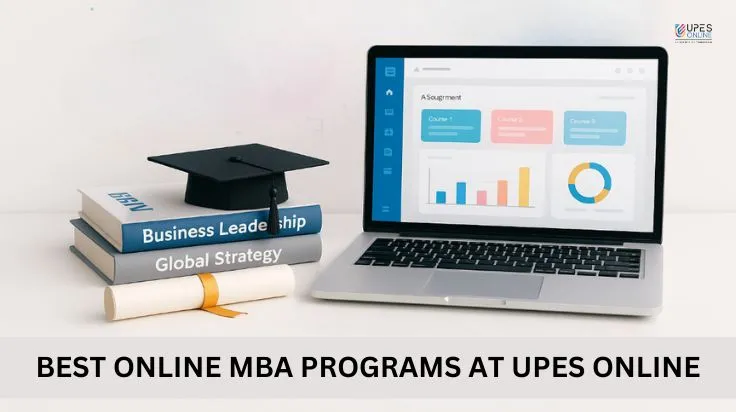
What Are the Best Online MBA Programs at UPES Online?
Choose the best online MBA programs at UPES Online. Learn about specializations, career scope, & why professionals choose UPES for flexible learning.
Read MoreOct 15, 2025 I 6 mins
General MBA vs Specialized MBA: How to Choose Your Path in 2026?
General MBA vs specialized MBA compared on metrics like scope, ROI, salary & career growth in India. Understand the path & choose wisely.
Read MoreMay 3, 2026 I 8 mins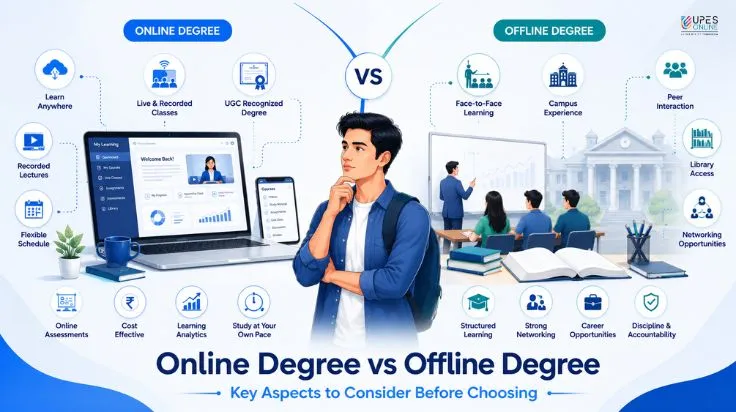
Online Degree vs Offline Degree: Key Aspects to Consider Before Choosing
Compare online degree vs offline degree based on flexibility, costs, career opportunities, recognition, & learning experience to choose the right program.
Read MoreJul 10, 2026 I 9 mins
Online B.Com Scope in 2026: Benefits, Careers, Salaries & Is It Worth It?
Explore online B.Com scope in 2026, including benefits, career options, salaries, industries, higher studies and whether an online B.Com degree is worth it.
Read MoreJul 31, 2026 I 11 mins
MBA for Working Professionals: Eligibility, Fees, Specializations & Career Scope
Explore a detailed guide on MBA for working professionals including eligibility, fees, online MBA options, top specializations, career scope & how to apply.
Read MoreAug 15, 2026 I 13 mins
Is Online MCA Worth It in 2026? Fees, Eligibility, Jobs & Colleges
Find out whether an Online MCA is worth it in 2026. Explore eligibility, fees, specializations, colleges, career scope, salaries and UGC validity.
Read MoreAug 29, 2026 I 11 mins
Online MBA for Engineers: Specializations & Career Scope
Find out if online MBA for engineers is a good choice; explore top specializations and career scope.
Read MoreSep 8, 2026 I 11 mins
Related Articles

Top Cyber Threats in 2026 & How MCA Cyber Security Graduates Can Combat Them
Know biggest cyber threats of 2026 & skills & tools to resolve them. MCA Cyber Security is the perfect course that can help combat them with right skills & strategies.
Read Blog
Top Cyber Security and Forensics Tools Used by Experts in 2026
Explore the top cyber security & forensics tools of 2026 used by experts to detect threats, prevent attacks, and safeguard digital systems effectively.
Read Blog
Career in Cyber Security and Forensics: Skills, Salaries, Job Roles & Future Growth Opportunities
Explore top careers in cyber security & forensics! Learn key skills, job roles, salaries, and future opportunities in this high-demand tech field.
Read BlogTop Cyber Threats in 2026 & How MCA Cyber Security Graduates Can Combat Them
Know biggest cyber threats of 2026 & skills & tools to resolve them. MCA Cyber Security is the perfect course that can help combat them with right skills & strategies.
Read BlogTop Cyber Security and Forensics Tools Used by Experts in 2026
Explore the top cyber security & forensics tools of 2026 used by experts to detect threats, prevent attacks, and safeguard digital systems effectively.
Read BlogCareer in Cyber Security and Forensics: Skills, Salaries, Job Roles & Future Growth Opportunities
Explore top careers in cyber security & forensics! Learn key skills, job roles, salaries, and future opportunities in this high-demand tech field.
Read BlogTop Cyber Threats in 2026 & How MCA Cyber Security Graduates Can Combat Them
Know biggest cyber threats of 2026 & skills & tools to resolve them. MCA Cyber Security is the perfect course that can help combat them with right skills & strategies.
Read Blog